
Foundation Program in Interdisciplinary Psychedelic Studies & Practice
A 12-week programme for licensed and unlicensed professionals who want to work with psychedelics responsibly — across ethics, harm reduction, integration, somatics, and real-world practice.
-
 12 weeks
-
 Starts 30 September 2026
-
 €1,950 / Early Bird €1,450
-
 Online cohort-based format
By the end of the programme, you will be able to:
- Rely on a working understanding of the major psychedelic themes, such as neuroscience, pharmacology, ethics, somatics, integration, and harm reduction — and know how to apply each domain to real situations, not just recall it theoretically
- Build a working understanding of assessment, screening tools, and eligibility considerations, and know how to translate that into effective engagement during the preparation stage of a client's psychedelic process
- Recognise challenging experiences, adverse events, and prolonged adverse effects, and know with real confidence, not guesswork — when to support and when to escalate
- Practise these skills weekly, not just study them: through live group break-out sessions, role-play triads and six hands-on Skills Labs
- Turn experience you already carry — years of personal or facilitated work, or a career built in an adjacent field — into something structured enough to have a clear roadmap for ongoing professional development
- Leave with an honest, evidence-informed view of where you stand professionally now, and what a next step in this field could realistically look like — without a promise of where it leads, because no one can honestly make one yet
Who This Programme Is For
Designed for responsible practitioners — with or without a clinical licence — who want a rigorous, comprehensive foundation in psychedelic practice and a peer community holding itself to the same standard.
Coaches, guides, and facilitators
You're already active, formally or informally, supporting people through psychedelic experiences. This foundation programme gives your work the structure, evidence base, and peer accountability it deserves — so what you're doing rests on more than instinct, borrowed community knowledge, and working it out by trial and error.
Practitioners drawn to this field
You want to enter this new professional area responsibly: with an honest, clear-eyed sense of where your role begins and ends, before you're holding that responsibility for someone else.
Mental health professionals
Psychologists, psychiatrists, therapists, and other clinicians extending existing training into the specific demands of psychedelic-informed practice.
You do not need to be a licensed clinician to apply
What matters most is maturity, self-awareness, a genuine commitment to responsible engagement with complex material, and a willingness to be held to the same standard as everyone else in the room.
Why Now?

Why Psychedelics
Psychedelics are rapidly moving from the margins into mainstream science, healthcare, and therapeutic practice. Clients are returning from retreats with questions that existing frameworks weren't designed to answer. Colleagues, friends, and family members are exploring psychedelics for their own reasons. The cultural conversation is moving fast, and the professionals best positioned to support it — therapists, coaches, researchers, and educators — are often doing so without adequate education, mentorship or community.
The Science Is Here
The scientific momentum is real. Psilocybin, MDMA, LSD, DMT, and Esketamine have all received FDA Breakthrough Therapy designations, and landmark trials at Johns Hopkins, NYU, and Imperial College London are reshaping how these professions think about consciousness and healing. The research consistently shows that outcomes depend heavily on the quality of human support — the rapport building, the preparation and informed consent process, the relational presence and trust. In every setting, that is where practitioner skill becomes one of the most critical variables for safe experiences and meaningful outcomes.
The Need for Prepared Practitioners
Policy reform is accelerating across Europe. Research funding is growing. Landmark clinical trials are reshaping psychiatric practice. And rates of naturalistic psychedelic use — outside clinical settings, without professional support — continue to rise.
Yet introductory-level professional training remains scarce. Where courses do exist, they tend to prioritise academic research over practical grounding — leaving practitioners underprepared for the realities of working with real people.
The field now requires professionals who can work skilfully across ethical, psychological, somatic, relational, and cultural dimensions — not just professionals who can discuss the science.
The Mirari Foundation Program
The programme was built by practitioners, in collaboration with respected researchers, clinicians, and educators in the global psychedelic field. Whatever your background — clinical, coaching, community, or academic — the curriculum draws on neuroscience, somatics, ethics, harm reduction, and relational skills to equip you with the tangible competencies and ethical grounding needed to confidently define and hold your scope of practice.

Why Interdisciplinary?


Learning Through Interconnected Lenses
The curriculum draws from neuroscience, pharmacology, psychology, somatics, ethics, Indigenous traditions, and harm reduction — not as isolated subjects, but as interconnected lenses. Two examples of what this means in practice:
Neuroscience isn't taught as abstract biology. Understanding how psychedelics quiet the Default Mode Network directly informs how you support a client — from grounding techniques to managing expectations. The window of neuroplasticity following a journey isn't just a data point; it's the rationale for why effective preparation and integration skills matter so much, and why timing is everything.
Pharmacology is approached through harm reduction. Knowing how compounds interact with receptor systems, medications, and individual physiology is essential — as is knowing when to refer a client to a specialist.

Tradition, Harm Reduction, and Real-World Practice
Indigenous and ceremonial traditions are engaged as sophisticated, independent systems of knowledge — carrying practical wisdom about preparation, sacred space, ritual, and integration that clinical research is only beginning to catch up with. Students learn genuine humility, the difference between appreciation and appropriation, and the ongoing responsibility of working in a field shaped by traditions that long predate modern science.
Harm reduction runs through the entire programme as both a value and a practical skill set. Approximately 96% of psychedelic experiences happen outside clinical or legal frameworks — which means practitioners must be equipped to apply best practices across highly varied, real-world environments.

A Cohort Built for Depth and Diversity
The Foundation Program welcomes licensed clinicians, psychotherapists, and medical professionals alongside coaches, researchers, harm reduction workers, and community activists. This breadth is intentional: the diversity of the cohort is itself part of the learning. Bringing together different professional backgrounds, lived experiences, and ways of knowing amplifies the richness of our collective interdisciplinary traditions. Our diversity doesn't dilute the learning — it deepens it.
Whether your work sits in clinical practice, integration support, research, public health, or community care, the programme gives you the interdisciplinary grounding to navigate this landscape with confidence, humility, and skill.
Five Anchors of Inquiry
Five dimensions of practice developed continuously across the programme.

Foundation Program

Embodied Self-Awareness & Somatic Attunement
Tracking self, nervous system, and somatic signals.

Interpersonal & Relational Skills
Practise adaptive, evidence-informed relational skills across diverse contexts.

Lineages & Ways of Knowing
Engaging multiple knowledge systems with curiosity, care, and humility.

Ethical Posture & Scope of Practice
Clarifying responsibility, limits, and professional judgement.

Real-World Application & Harm Reduction
Applying learning responsibly in complex real world contexts.
Course Consultants
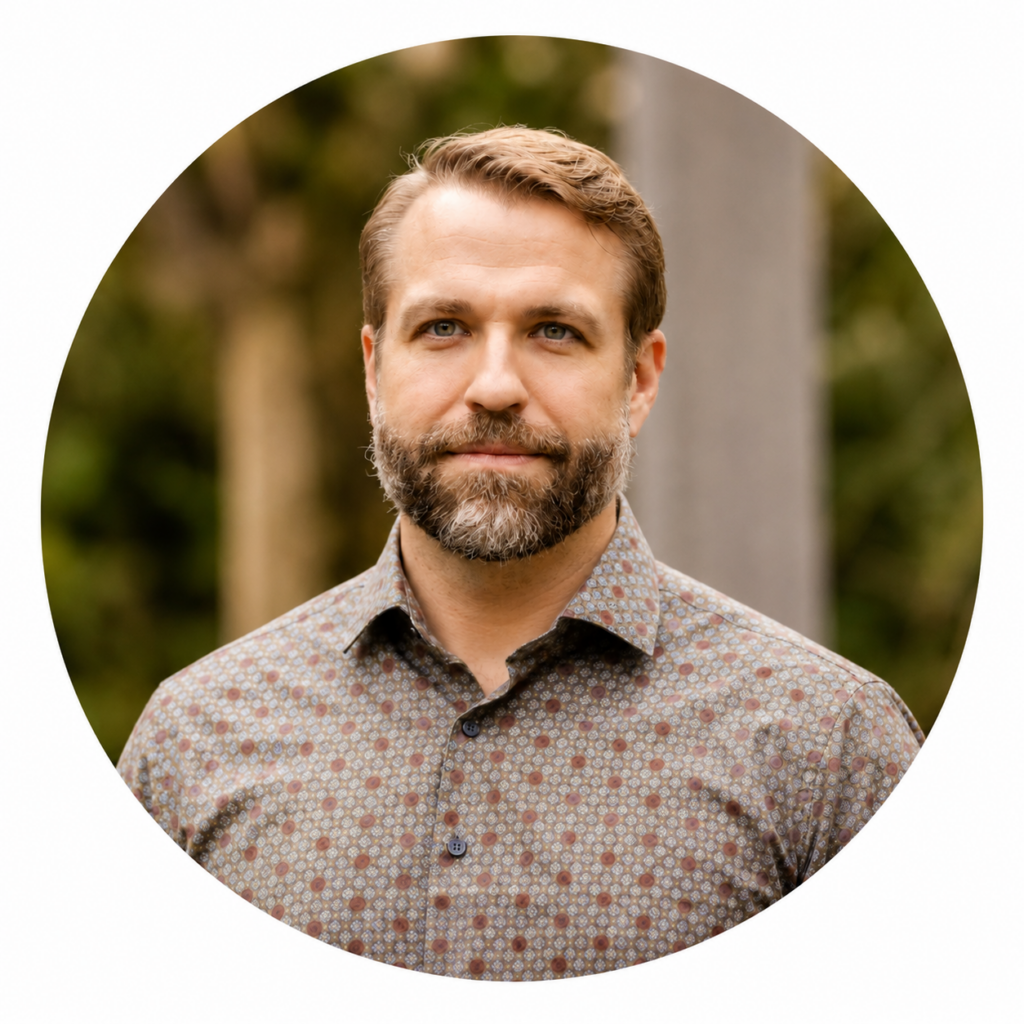
Alex Belser, PhD
A clinical scientist, psychologist, and psychedelic researcher, formerly at NYU and Yale University. Dr. Belser's work explores the therapeutic potential of psilocybin, DMT, and ketamine in clinical research.
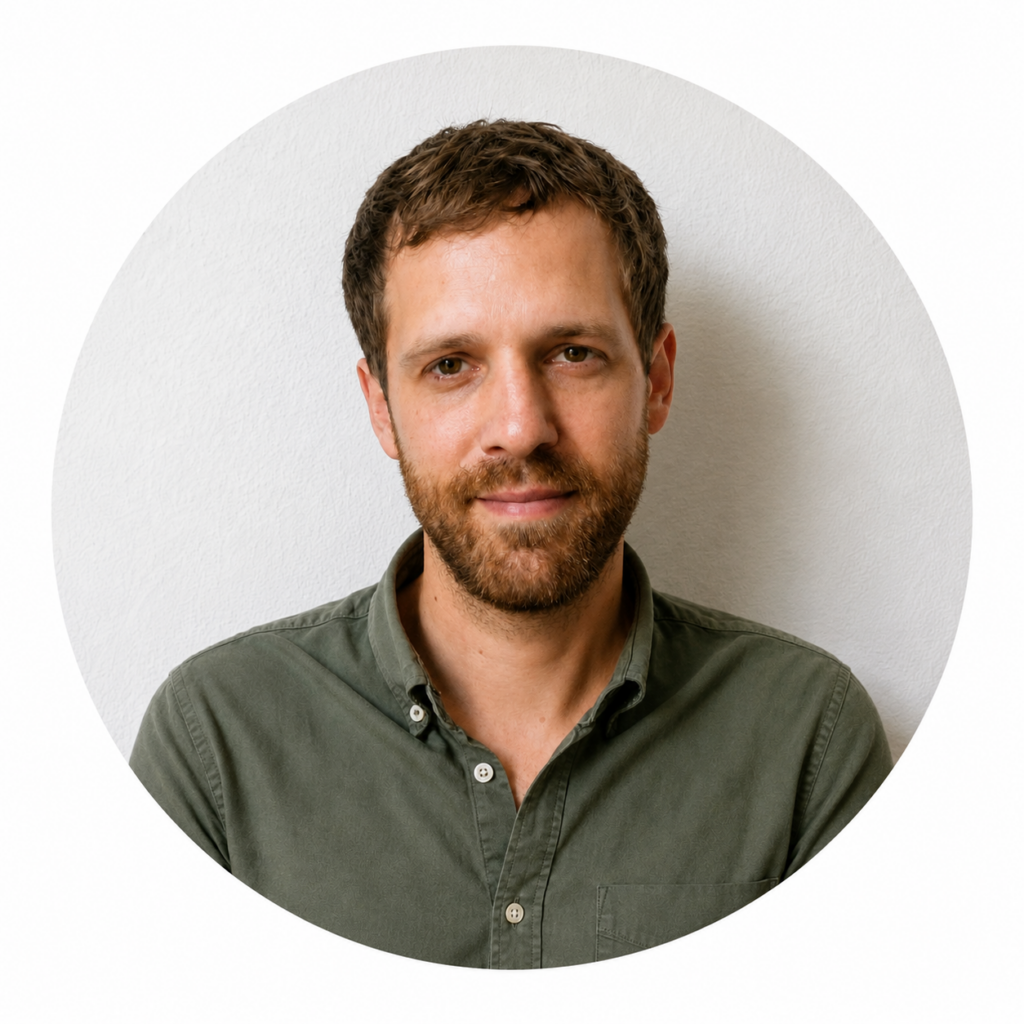
Max Wolff, Dr. rer. nat.
A psychologist, psychotherapist, and researcher — one of Europe's leading voices in psychedelic therapy training. His research focuses on the psychological mechanisms and contextual conditions of psychedelic-assisted change, with a particular emphasis on making psychotherapy research applicable to psychedelic therapy practice.

Yannick Jacob, MA, MSc
An Existential Coach, Positive Psychologist, Coach Supervisor, and Trainer, formerly Programme Leader of the MSc Coaching Psychology at the University of East London.
Teaching Team
Our teaching faculty are currently being confirmed. We're in conversations with a number of leading clinicians, researchers, and practitioners, and will update this page as soon as the team is finalised. If you have questions in the meantime, get in touch directly.
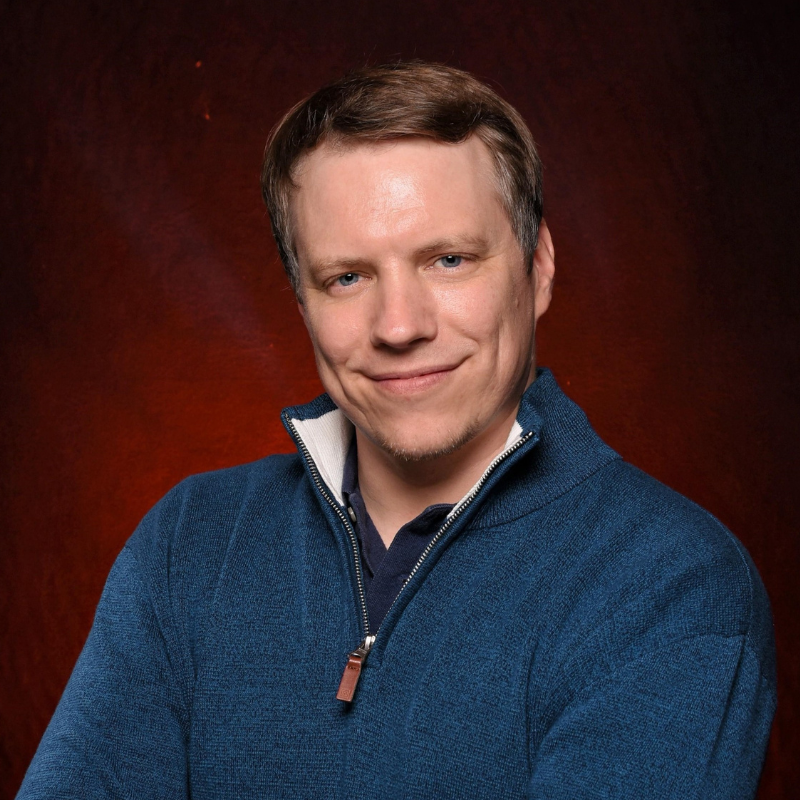
Yannick Jacob, MA, MSc
Yannick Jacob, MA, MSc, is an Existential Coach, Positive Psychologist, Coach Supervisor, and Trainer. Formerly Programme Leader of the MSc Coaching Psychology at the University of East London, Yannick is now the Unit Leader of Psychological Coaching at Cambridge University’s Coaching MSt and teaches at the International Centre for Coaching Supervision. He also designed and curates the School of Positive Transformation’s Accredited Certificate in Integrative Coaching, bringing together many of the industry’s leading thinkers and pioneers.

Dr. Erica Zelfand
Dr. Erica Zelfand specializes in integrative mental health. Interfacing conventional and alternative modalities, her work bridges the gaps between mind, body, and spirit.
In addition to treating patients of all ages in her medical practice, she is a psychedelic therapist and ketamine provider.
Dr. Zelfand is the excutive director of Right to Heal, a nonprofit organization committed to empowering individuals in reclaiming their health, and the medical director of the psychedelic reterat company Rise Up Journeys.
She is also a lead educator in the country’s first licensed psilocybin facilitator school, a mentor, and an acclaimed international speaker.
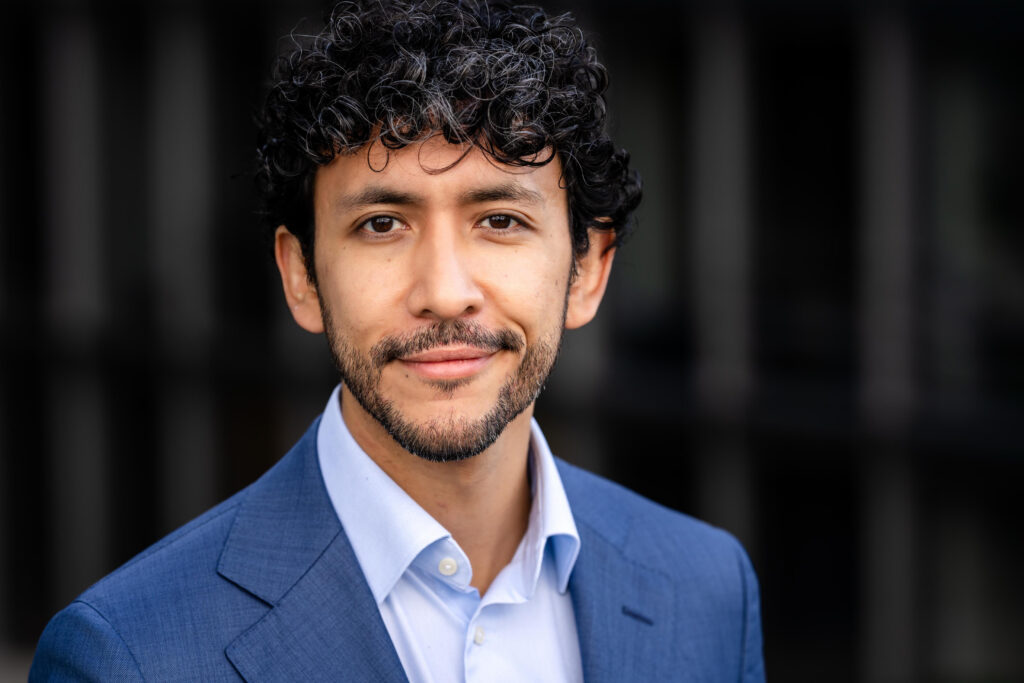
Sergio Pérez Rosal, MD
Sergio Pérez Rosal, MD, is a Guatemala born physician, researcher, and educator driving innovations in mental health care by merging mainstream medical practices with novel therapeutic approaches. Drawing from his background in anesthesia, emergency medicine, and a Master’s degree in Neuroscience and Psychology, he co-founded Germany’s first clinic specialized in psychedelic-assisted therapy. With clinical expertise, he develops educational programs that empower professionals to integrate therapies while honoring diverse worldviews. His research focuses on psychedelics, cultural competency, and neuroscience illuminating how psychedelics can foster healing and growth.
As Adjunct Professor and faculty member in the University of Ottawa’s Master’s program in Psychedelics & Consciousness, he shares evidence-based knowledge, shaping the next generation of professionals in this evolving field. He is also Research Associate at the Chacruna Institute for Psychedelic Plant Medicines. Through public speaking, he makes complex research accessible helping individuals, and institutions grasp the latest scientific advances, transform health paradigms, and foster positive societal change. He strives to bridge research with practice, ensuring a thriving healthcare and educational environment.

Dr. Rayyan Zafar PhD MRSB
Dr. Rayyan Zafar PhD MRSB is a neuropsychopharmacologist and UKRI Postdoctoral Fellow at the Centre for Psychedelic Research and Neuropsychopharmacology, Imperial College London, and a Senior Researcher at Drug Science. Working alongside Professor David Nutt, his research focuses on the neurobiology of addiction and mental health disorders, with a particular interest in how psychedelic compounds (including psilocybin, DMT and LSD), ketamine, MDMA and cannabis affect the brain and may be used as treatments for addiction.
He is currently leading the world’s first clinical and neuroimaging study of psilocybin therapy for gambling disorder. Alongside his academic work, Dr Zafar serves as Senior Scientific Officer at Drug Science, Venture Partner at ITER Investments, and advises organisations developing innovative treatments and wellness interventions across the psychedelic, cannabis and brain-health sectors.
Dr Zafar is a regular contributor to public discussions on addiction, mental health and psychedelic science, appearing across national and international media, podcasts and public events. He was named among the Top 25 Emerging Leaders in Psychedelic Science and is the author of The Vulnerable Brain: Why We Are Addicted and How We Can Break Free, due for publication in 2027.
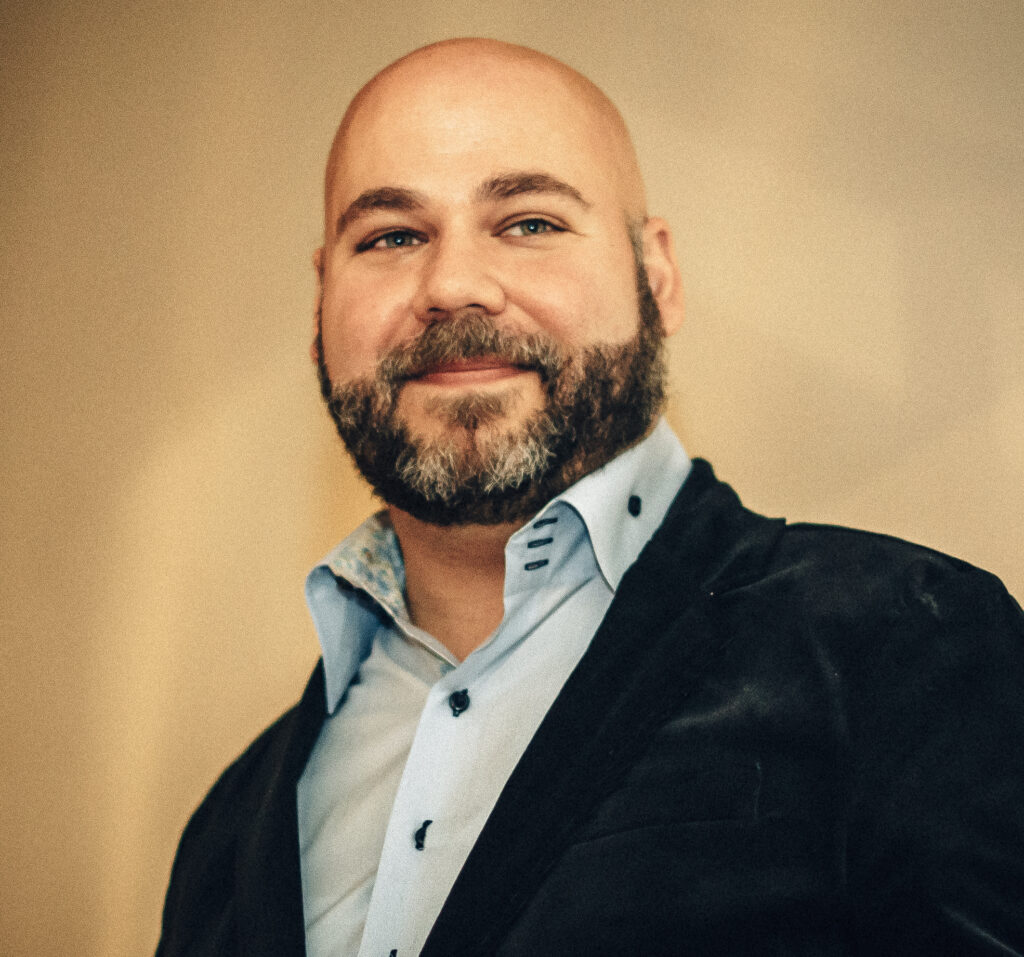
Matthew D. Skinta, PhD, ABPP
Matthew D. Skinta is Associate Professor of Psychology, Roosevelt University, Chicago; board-certified clinical health psychologist. He is a peer-reviewed Acceptance and Commitment Therapy trainer, a certified Functional Analytic Psychotherapy trainer, and a certified Compassion Cultivation teacher, credentialed across the family of contextual-behavioural and compassion-focused approaches. His published work argues for the therapist as the central instrument of change and the therapeutic relationship as the active ingredient of change, and he writes and teaches at the integration of ACT, FAP, and compassion practice. He has served as a visiting professor of ethics in the University of Ottawa’s Masters of Psychedelics & Consciousness Studies for the past three years, and is passionate about how strong ethical boundaries and compassionate presence are the key to effective psychedelic-assisted psychotherapy.
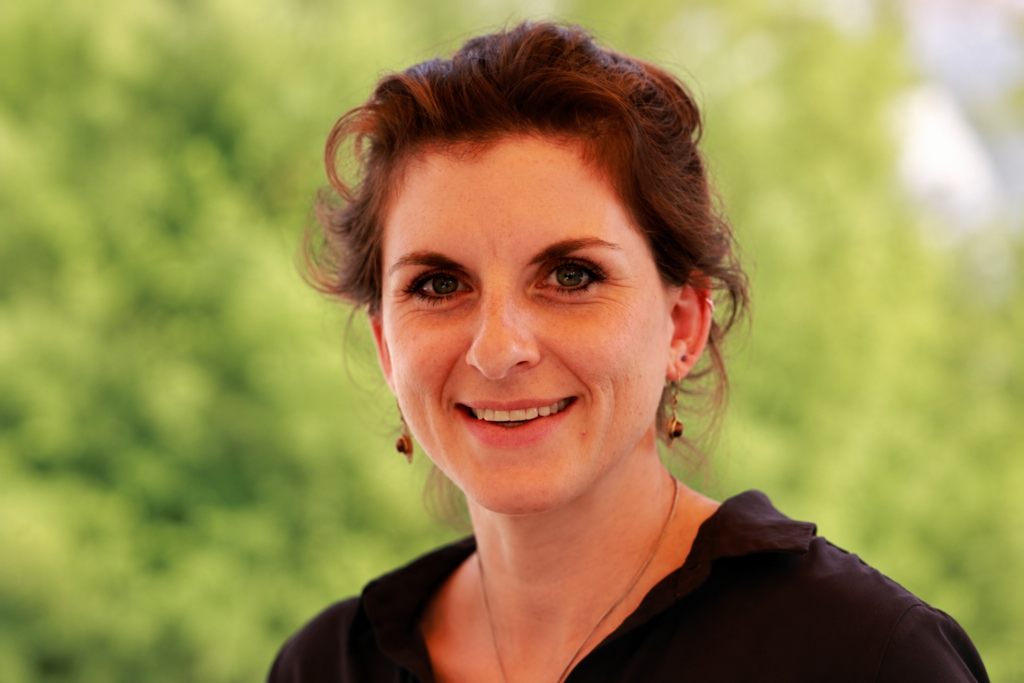
Dr. Helena Aicher
Dr. Helena Aicher is dual-qualified as both a psychologist and a psychotherapist. She is a post-doctorate researcher at the Universities of Zurich and Basel, where she is involved in clinical trials investigating psychedelics such as DMT. Helena also serves on the Advisory Board of the ALPS Foundation (Awareness Lectures on Psychedelics in Switzerland).
Alongside her research role, Helena works as a psychotherapist in Switzerland’s psychedelic compassionate access program. Bridging scientific research and clinical practice, she contributes to the development of treatment protocols and best practices, particularly in the area of group work.
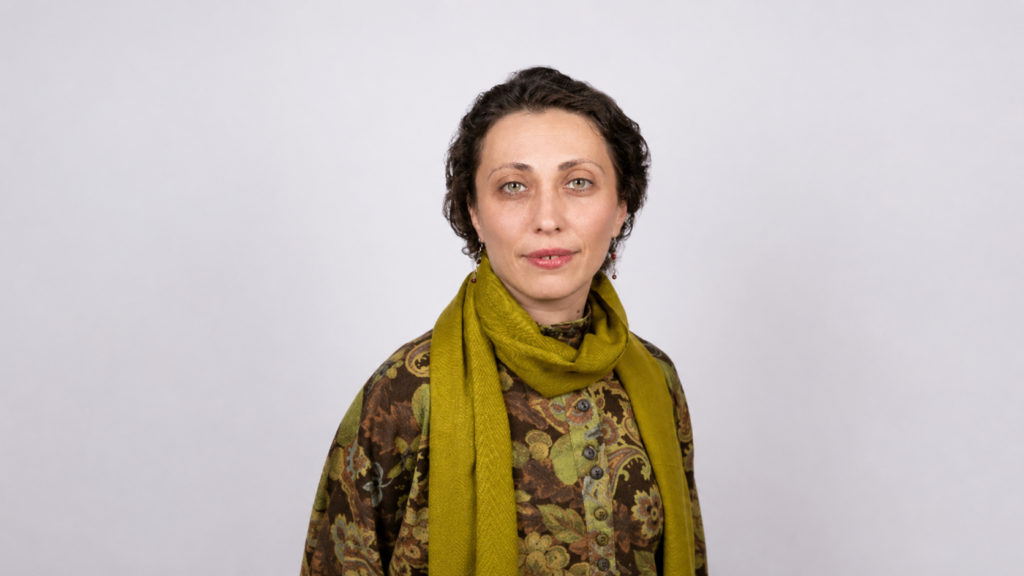
Dr. Lela Mosemghvdlishvili
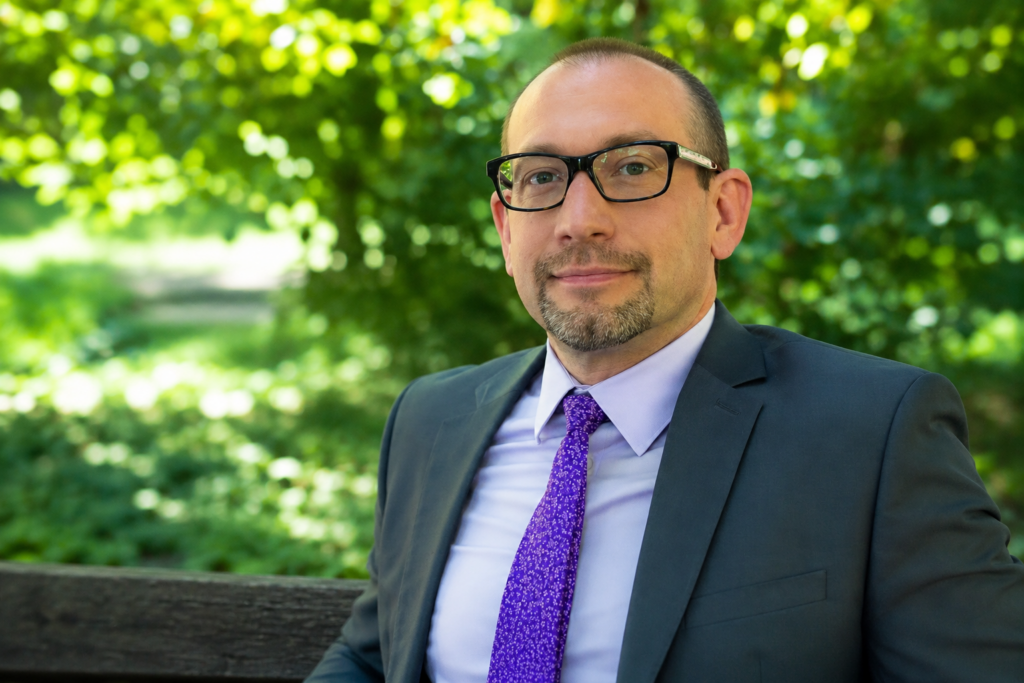
Brian D. Richards, Psy.D.
Brian D. Richards, Psy.D., is a clinical psychologist specializing in psychedelic and experiential medicine. He completed his training at Duquesne University, the University of Denver, and Johns Hopkins, where he contributed to early psilocybin research with cancer patients and healthy adults. He has worked on clinical trials involving LSD, psilocybin, and MDMA and currently leads experiential medicine therapies and program development at Gladstone Psychiatry and Wellness.
Dr. Richards also provides care at Maryland Oncology Hematology and the Aquilino Cancer Center and serves as Clinical Director of Homecoming Health. His work focuses on developing safe, accessible, and scalable models of experiential medicine through advanced screening, preparation, and insurance-covered care. His clinical and research interests include meaning-centered psychotherapy, mystical experience, brain science, and treatment-resistant conditions.
Weekly Learning Rhythm
A structured blend of live teaching, self-study, peer practice, and applied skills-building.
Live Synchronous Group Class

Live-taught • 2 hours • Wednesday, 6-8 pm
Live faculty-led sessions to deepen each week's themes through discussion, critical enquiry, and case-based learning.
Asynchronous Masterclass

Self-study • 1 hour • Weekly
Pre-recorded lectures provide the conceptual and theoretical foundation before every live class.
Avatar Learning Model

Peer-based • 1 hour • Wednesday, 6-8 pm
Students apply the curriculum to a longitudinal case profile through weekly peer triads.
Skills Labs

Applied practice • 6 sessions across the programme
Evidence-informed practical labs focused on real-world techniques and hands-on skill development.
Private Study

Self-study • 1.5 hours • Wednesday, 6-8 pm
Curated reading and journalling help students deepen and personalize their understanding.
Skills Labs at a glance
Six focused labs to build real-world competence.
The 12-Week Curriculum Matrix

The Foundation Program follows a carefully sequenced 12-week learning arc, designed not as a series of standalone topics but as a progressive development of practitioner identity, judgment, and skill. Throughout, the curriculum continuously returns to the programme's five anchors — embodied self-awareness, relational skill, pluralistic lineages and ways of knowing, ethical posture, and real-world application — weaving them through every week rather than treating them as separate subjects.
The structure below offers a high-level view of the course trajectory while preserving the depth and unique design of the full curriculum.
*(Curriculum content, scheduling, and module sequences are subject to modification at any time without prior notice)
Weeks 1–4: The Landscape, The Science & The Self
Before you can support others, you need to know where you stand. The opening phase builds your intellectual, ethical, and personal foundation — mapping the field you're entering, the science underneath it, and the practitioner you're becoming.


Week 1
A panoramic introduction to the contemporary psychedelic systems of care field — its history, its current forms, its legal realities across European jurisdictions, and the diverse professionals entering it. Where you locate yourself within that landscape matters just as much. You’ll examine your own ontology, biases, and motivations as professional variables from day one.

Week 2
A rigorous but accessible deep-dive into how psychedelics actually work — in the brain, in the body, and in the therapeutic relationship. You’ll develop working knowledge of pharmacology, neurobiological models, and general change mechanisms that will thread through every subsequent week of the programme.

Week 3
This week moves beyond awareness into action. Using your Avatar Case Study as the laboratory, you’ll develop practical frameworks for culturally responsive practice — learning to accurately and ethically incorporate intersectional identity, trauma history, and social determinants of health into everything you do as a practitioner.

Week 4
Psychedelic experiences are inherently destabilising — they heighten vulnerability and place enormous relational weight on the practitioner. Ethical practice requires moment-to-moment discipline. You’ll develop practical frameworks for boundaries, power dynamics, touch and informed consent — and the self-awareness that underpins every sound professional judgement.
Phase 2
Weeks 5–7: From First Contact to Real-Time Support
The middle phase is where knowledge becomes craft. Working directly with your Avatar Case Study, you'll build the applied practical skills needed to screen, prepare, and support a client through the full arc of care — from the first conversation to the moment the medicine takes hold.


Week 5
Effective gatekeeping is one of the most important acts of care in this work. You’ll learn to conduct thorough, trauma-informed intake assessments, weigh risk-benefit ratios across complex presentations, and have honest, compassionate conversations when psychedelics may be contraindicated or may not be right for a specific person. Equally, you’ll develop the professional clarity to recognise when a person’s needs fall outside your scope — and the confidence to say so.

Week 6
This week you’ll learn to co-design preparation sessions with clients — building the relational container, practising consent skills, introducing somatic tools, and approaching music selection thoughtfully. The conditions you create together before the session begins shape everything that happens inside it.

Week 7
The core craft of this work. This is where all six clinical dimensions — existential-spiritual, mindfulness, somatic, affective-cognitive, relational, and momentum — come together in real time, in the most demanding context a practitioner will encounter. Working from your individual case formulation, you’ll learn to be present without directing, to support without interfering, and to trust the process without abandoning the person.
Phase 3
Weeks 8–10: Challenging Experiences, Integration & Professional Readiness
The third phase addresses what happens when things don't go smoothly — and what happens when they do. You'll develop crisis response skills, practice the art of integration, and begin the honest professional self-assessment that will define your practice.


Week 8
Difficult experiences during psychedelic sessions are not failures — but they demand specific, trained competencies. This week introduces a foundational clinical decision framework that resolves one of the most dangerous sources of confusion in the field: the difference between a challenging in-session experience, an adverse event, and a persisting adverse effect. Getting this distinction wrong causes harm.

Week 9
Without integration, insights fade. This week explores the theoretical foundations and practical approaches to integration — from narrative sequencing and behavioural activation to somatic approaches, meaning-making, and relational integration. Community and peer support matter here — as do the practical tools, frameworks, and relational skills you’ll develop the confidence to use.

Week 10
The final teaching week faces in two directions at once: outward toward the European regulatory landscape and the professional pathways available to students, and inward toward an honest gap analysis and a concrete post-course development plan. Completing this programme is a beginning, not a licence to practise beyond your competence or without the professional support structures that responsible practice requires — and this week gives you a clear-eyed map of what comes next.
Phase 4
Weeks 11–12: Capstone Presentations & Ongoing Professional Development
The closing phase is not an ending — it's a launch. Capstone presentations bring together ten weeks of applied casework, personal development, and professional growth into a coherent, public demonstration of who you've become and where you're headed.

Week 11 & 12
The first of two Capstone presentation sessions, with two distinct components. You’ll present your Avatar Case Study journey to your peer triad — showing how a single client profile became a ten-week vehicle for applied learning — and receive structured faculty-guided feedback. You’ll then present to the full cohort for twelve minutes: a Reflective Portfolio Review of your top three professional growth takeaways, paired with a 90-Day Commitment to Action and 12-Month Growth Plan. Both documents are submitted to faculty before this session begins — a course completion requirement. The cohort closes with an appreciation circle and a grounding ritual — a deliberate, meaningful ending to what is, for many, a significant personal and professional experience.
Timeline
Applications are open. Early Bird saves you 25%.
Enrolment opens
Applications for the Foundation Program officially open.
Early Bird enrolment
Enrol during this period to receive a 25% tuition discount.
Early Bird places are limited.
Regular enrolment period
Applications remain open at the standard tuition rate.
Enrolment closes
Final day to apply and secure a place in the cohort.
Programme begins
The 12-week Foundation Program officially begins.
Programme completion
The cohort completes the Foundation Program
Tuition, Scholarships & Early Bird
Transparent pricing, flexible payment options, and scholarship opportunities designed to make the Mirari Foundation Program accessible to everyone.
Programme Fee
€1,950
The total fee for the Mirari Foundation Program.
25% discount until 7 August 2026
Early Bird: €1,450
Save €500Enrol by 7 August 2026 to receive 25% off the programme fee. VAT included
Flexible payment options may be available via Klarna, depending on jurisdiction and eligibility. Mirari does not determine approval or terms.
Need financial support?
Individual scholarships of 25% and 50% are available for applicants who meet the eligibility criteria. Details are provided during the application process, and we will review your scholarship request within 7 working days.
Apply for the programme
Take the next step toward joining the Mirari Foundation Programme. Submit your information to begin your application — our team will then be in touch to guide you through the admission process.
Submit your information to begin the application process.
Admissions Process
Here is how the admissions process works for the Mirari Foundation Programme — from your first enquiry to securing your place in the cohort. We will be in touch with you at every stage.
1
Submit your details.
2
We send you the application form.
3
You complete and submit the form.
4
We review your application within 7 working days.
5
Once your application has been reviewed, you will either be invited for an interview, asked to provide additional information, or notified of your place on the waitlist pending availability.
6
If accepted, you secure your place in the cohort by paying the tuition fee.
Practicum Retreat

Beyond the Foundation Programme: The Experiential Practicum Retreat (Spring 2027)
In Spring 2027, Mirari will introduce the Experiential Practicum Retreat — a multi-day, in-person training retreat hosted at a retreat centre in the Netherlands, in partnership with one of our closest collaborators in Europe. It's a separate, optional pathway, open beyond the Foundation Program cohort — though Foundation Program students will receive priority booking, and we intend to offer an early-bird, good-faith discount to those who trained with us first.
Over several nights at the retreat, the cohort engages directly with what the Foundation Program teaches in principle: personal self-experience with psilocybin-containing truffles, legal in the Netherlands, and structured peer-support practice in dyads — taking turns holding space for a partner, and being held in turn. Alongside this core training, retreat days include shared meals, yoga, meditation, and hiking.
Entry isn't automatic. All applicants go through a formal screening and assessment process before acceptance. Once accepted, the cohort attends a series of group preparation calls ahead of the retreat, followed by group integration calls afterwards — extending the same structured approach to preparation and integration that runs through the Foundation Program itself.
Join Our Practitioners Community
A professional community for people working in this field, or seriously considering it.
Psychedelic practice in Europe is still finding its shape. Regulation varies by country, accreditation frameworks are still emerging, and many practitioners are navigating the field without a clear map or a reliable peer group nearby.
The Mirari online community on Circle is a space to ask the questions you cannot easily ask elsewhere, share what is actually working, and gradually get to know other practitioners who take this work seriously.
Membership is free and open to experienced practitioners, emerging professionals, and those considering a move into the field.
Case consultation threads
Bring an anonymised scenario that left you uncertain, or respond to someone else's. The community responds with experience, not advice.
Tool exchange
Practical resources, frameworks, and approaches that hold up in real life.
Practitioner networking
Connecting with like-minded practitioners through honest conversations and shared interests.
Monthly expert deep dives
Structured discussions on clinical safety, integration frameworks, regulatory developments, and substance-specific practice.
Research and resources
A curated stream of articles, papers, research, and field updates surfaced by people who are actually reading and writing them.
Events and meet-ups
Find out who is going to which conference, organise informal gatherings, and stay updated on upcoming European events.
Partner access
Occasional early-bird opportunities, discounts, and premium offerings from vetted partners across Europe.
If the Foundation Program is where you go to study, the community is where you go to belong.
All content stays within the community. It is moderated, guided by clear standards, and designed for candid professional exchange.
FAQ
We understand that circumstances change. If you withdraw before the programme begins, you may be eligible for a partial or full refund in accordance with our refund policy. Once the programme has started, refunds may be limited — your place in the cohort, faculty access, and learning resources will already have been allocated. For specific terms, please contact our admissions team before enrolling.
The Foundation Programme welcomes mental health professionals, coaches, researchers, educators, and others with a genuine commitment to responsible engagement with complex material. You do not need to be a licensed clinician — what matters most is maturity, self-awareness, and a commitment to responsible practice.
On successful completion you will receive a certificate confirming your participation in the Foundation Programme in Interdisciplinary Psychedelic Studies & Practice. It evidences the interdisciplinary education you have completed, but it is not a licence to practise beyond your existing professional scope.
No. The Foundation Programme is an educational programme — it does not replace clinical licensure, medical training, or any legally required qualification, and it does not in itself qualify you to work as a psychedelic therapist.
Not on the basis of this programme alone. It is a foundational education, not a clinical qualification, and it does not authorise you to administer or prescribe ketamine or any other substance. Working in a ketamine clinic requires the relevant medical or clinical licensure and employer-specific credentials, which fall outside the scope of this programme.
The programme is designed to strengthen your knowledge, ethical grounding, and relational skills — not to license you to provide services that may be regulated or illegal in your jurisdiction. What you are able to offer depends entirely on your existing qualifications, local law, and professional scope of practice. A core aim of the programme is helping you define and hold that scope responsibly.
Yes. The programme is intentionally interdisciplinary and welcomes both licensed and non-licensed participants, including coaches, researchers, educators, harm reduction workers, and community practitioners.
Even experienced clinicians rarely receive interdisciplinary training that spans neuroscience, pharmacology, somatics, ethics, harm reduction, and Indigenous ways of knowing. The programme gives licensed practitioners a rigorous, practice-oriented foundation for working responsibly with clients who use psychedelics — including preparation, integration, scope of practice, and referral.
No. This is an interdisciplinary foundation programme, not a clinical or medical training. It does not replace licensure, supervised clinical hours, or any legally required qualification. It is designed to build knowledge, ethical maturity, and relational skill that complement — rather than substitute for — professional training.